

SUBHA BROWN BREAD
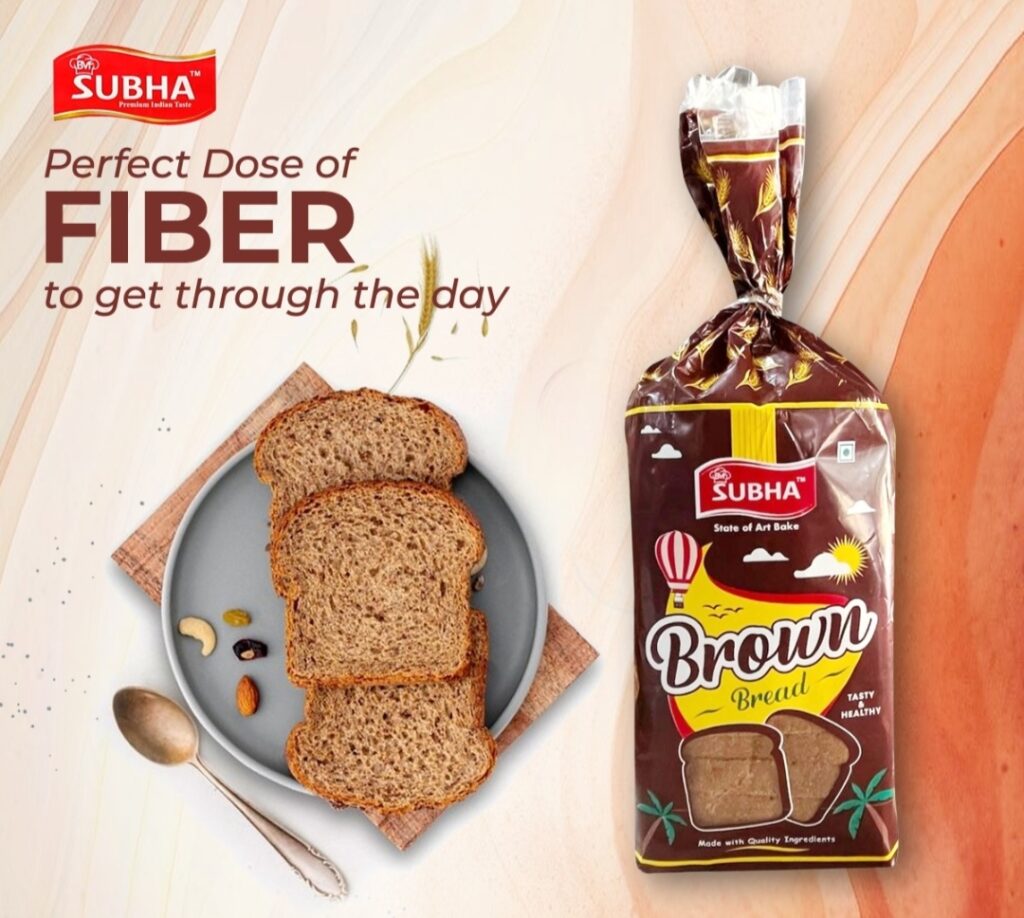

When made with whole grains, Subha brown bread offers several nutritional advantages over white bread:
- Rich in Fiber: The high fiber content in brown bread aids digestion, helps prevent constipation, and promotes healthy bowel movements.
- Nutrient-Dense: It retains more natural vitamins (E, K, B), minerals (magnesium, iron, zinc), and antioxidants because the bran and germ are not removed during processing.
- Blood Sugar Management: Brown bread has a lower glycemic index (GI) than white bread, meaning it causes a slower, more stable rise in blood sugar levels, which is beneficial for diabetics and helps with weight management.
- Satiety and Weight Control: The fiber makes you feel fuller for longer, which can help prevent overeating and reduce the risk of obesity.
- Reduced Disease Risk: Regular consumption of whole grains in brown bread is associated with a lower risk of heart disease, stroke, and type 2 diabetes.
Brown bread is a general term for bread that is darker in color than white bread, and it is widely consumed around the world as a potentially healthier alternative to white bread. Its brown hue often comes from using a significant portion of whole grain flours, such as whole wheat or rye flour, which contain the bran, germ, and endosperm of the grain kernel.
SUBHA BROWN BREAD Key Characteristics and Composition
- Ingredients: Authentic, healthy Subha brown bread is made from whole wheat flour, which means it uses all parts of the wheat grain. Other common ingredients include water, salt, yeast, and sometimes sweeteners like molasses or caramel coloring to enhance the shade.
- Color Discrepancy: A key point for consumers is that not all commercially available brown bread is made entirely from whole grains. Many manufacturers use a mix of refined (white) flour and whole wheat flour, and use coloring agents like caramel or malt to achieve the brown appearance. Reading the label to ensure “100% whole wheat flour” is listed as the primary ingredient is crucial for identifying a genuinely healthy option.
- Texture and Flavor: Due to the presence of the fibrous bran, genuine whole wheat brown bread has a denser texture and a nuttier flavor compared to the soft, refined white bread.
Summary Comparison
| Feature | Brown Bread (Genuine Whole Wheat) | White Bread |
|---|---|---|
| Flour Type | Whole wheat flour (bran, germ, and endosperm intact) | Refined flour (only endosperm used) |
| Fiber Content | High | Low/minimal |
| Nutrient Density | High (vitamins, minerals) | Lower (nutrients stripped during processing) |
| Glycemic Index | Lower | Higher |
| Texture | Denser, chewier, earthy taste | Soft, light, fluffy |
Whole-grain brown bread like Subha brown bread offers numerous positive health benefits. Its complex carbohydrates provide a steady release of energy, which helps maintain stable blood sugar levels and prevents energy crashes. This sustained energy can improve focus and productivity throughout the day.
The high fiber content in whole-grain bread like Subha brown bread is excellent for digestive health. Fiber aids in regular bowel movements and acts as a prebiotic, nourishing beneficial bacteria in the gut. A healthy gut microbiome is linked to various aspects of well-being, including a stronger immune system and improved mental health.
Today, brown bread is often considered a premium, health-conscious choice, but historically, it was the opposite. In 18th- and 19th-century Europe, brown bread was a sign of poverty, made from less refined “brown meal” and consumed by the lower classes, while white bread was a symbol of refinement and wealth. It wasn’t until the mid-19th century that the health benefits of bran were discovered, causing the price of brown meal to rise and eventually reverse its social standing.
A New England “Canned” Classic
In New England cuisine (USA), there is a unique traditional food called Boston Brown Bread that is nothing like typical sliced bread. It’s a dark, slightly sweet, moist bread made from a mix of cornmeal, rye, and whole wheat or graham flour, and sweetened with molasses. The unconventional part? It is traditionally steamed in a can (often an empty coffee can) rather than baked, and it is famously served as a side dish with baked beans and hot dogs.
The Glycemic Index Misconception
Many people assume brown bread has a significantly lower glycemic index (GI) than white bread, making it much better for managing blood sugar levels. However, some studies have shown that the difference in GI values between commercially available white wheat bread and whole wheat brown bread can be negligible. The actual GI largely depends on the specific processing and added ingredients, so relying solely on the “brown” color can be misleading for managing conditions like diabetes.
Potential for Higher Sugar and Sodium
Ironically, some store-bought brown breads can contain more added sugars and sodium than their white counterparts. Manufacturers may add these to compensate for flavor loss during processing or to appeal to modern palates used to sweeter bread. This means that without carefully reading the nutrition label, a consumer might inadvertently choose a “healthier” option that actually has more undesirable additives.
Historically, brown meal was what remained after about 90% of the coarse, outer bran and 74% of pure endosperm or fine flour was removed from the whole grain. Using slightly different extraction numbers, brown meal, representing 20% of the whole grain, was itself composed of about 15% fine bran and 85% white flour. In 1848 it was asserted grain millers knew only of bran and endosperm, but by 1912 it was more widely known that brown meal included the germ.
As manufacturer of Subha Brown Bread, based in Pathankot, we promote this product as a healthier lifestyle choice, emphasizing taste and health (“swaad bhi, sehat bhi!”).
Ultimately, choosing a product like Subha Brown Bread can be a positive step towards a healthier diet, provided it is a true whole-grain product, rich in fiber and free from excessive added sugars or hydrogenated oils.
By being informed, consumers can make choices that truly align with their health goals, ensuring products like Subha Brown Bread meet their expectations of a fiber-rich, nutrient-dense food item.
Ultimately, true brown bread made from 100% whole grains is a nutritious choice that can be a healthy part of a balanced diet.


SUBHA BROWN BREAD
ALSO VIEW : SUBHA RUSK